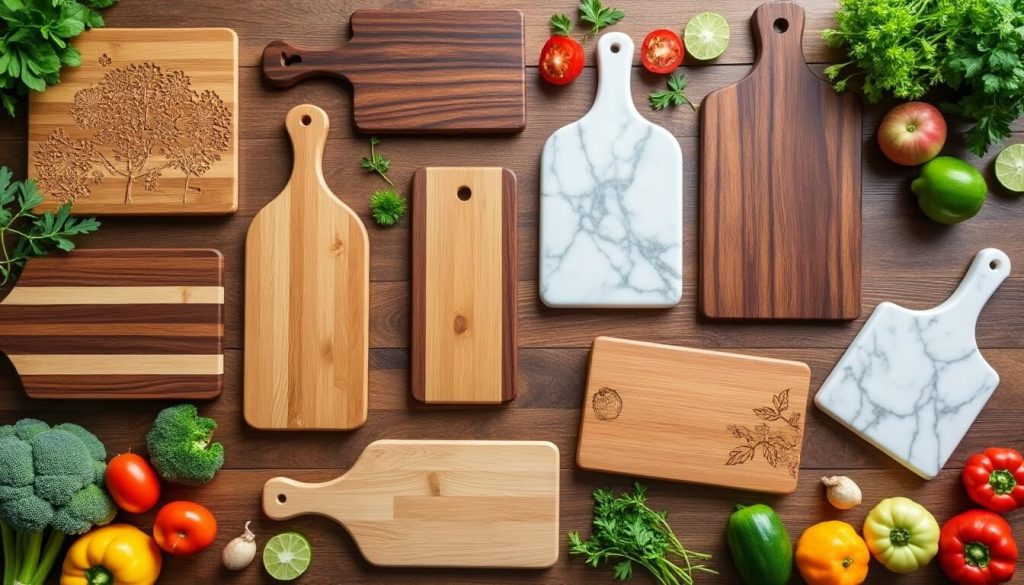
At 650°F on a home pizza steel, the wrong peel ruins dinner faster than bad tomato sauce. A pizza peel is the flat paddle used to launch raw pizza into the oven, turn it if needed, and pull it back out when the crust is blistered. Simple tool. Big consequences. A damp dough stuck to the board for 18 seconds too long can fold like laundry and dump mozzarella onto a stone. Seen often in workshops. Painful every time.
The choice usually comes down to a wood pizza peel or a metal pizza peel. Wood feels warmer, grips flour better, and forgives nervous hands. Metal is thinner, faster, easier to clean, and better for lifting a cooked pie. For Maya, a fictional but very believable Oakland home cook making 12-inch pizzas every Friday, the best answer is not “buy the fanciest one.” The right answer depends on dough hydration, oven heat, pizza weight, storage space, and how often the tool gets used. Good pizza tools should solve problems. Not create new ones.


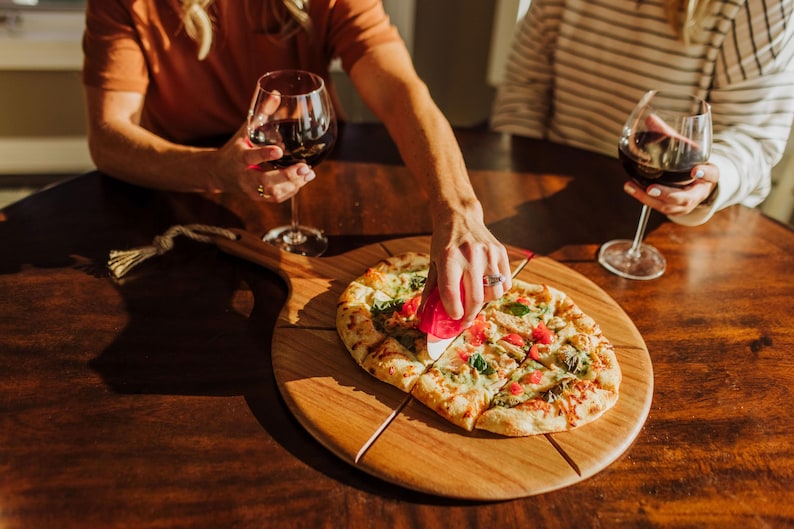
Wood Pizza Peel for Launching Thin Pizzas Without Sticking
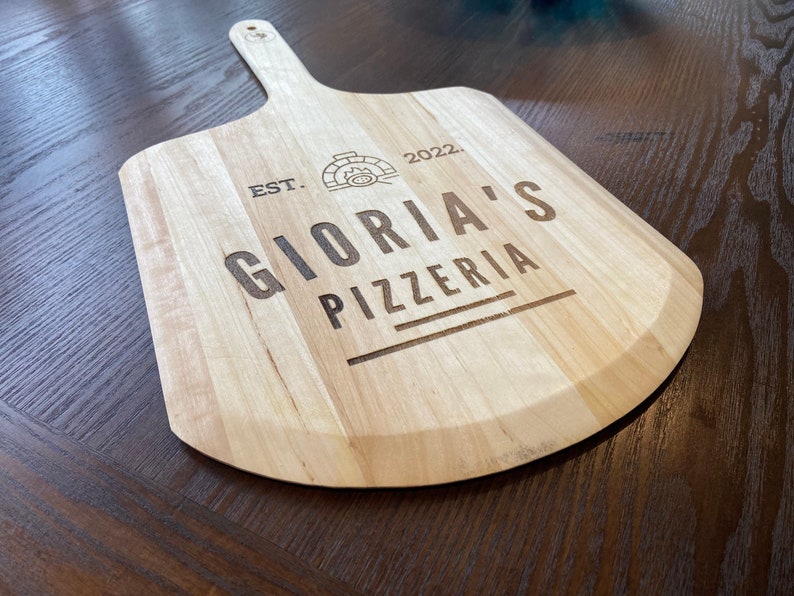
A wood pizza peel is usually made from birch, bamboo, maple, or acacia, with a broad flat face and a beveled front edge. Common home sizes run from 12 inches to 16 inches wide. For a 12-inch pizza, a 14-inch peel gives enough margin without feeling like a café tray from a Paris train station. Weight matters. A 14-inch bamboo model often sits around 1.8 to 2.4 lbs, which is manageable for one-handed launching if the handle is not absurdly long.
Wood has texture. That texture is useful because raw dough needs a little friction control. Sprinkle 1 tablespoon of semolina or a 50/50 mix of all-purpose flour and rice flour over the surface, stretch the dough, top quickly, then shake the peel after 30 seconds. If the pizza slides, it launches. If one corner sticks, lift that corner and dust 1 teaspoon more flour underneath. This is basic pizza making, but many home cooks skip the shake test. Then they blame the oven. Wrong culprit.
Why Wood Feels Easier for Nervous Hands
Wood gives better grip because the surface is not slick like bare aluminum. That matters when Maya builds a thin Margherita with 3 oz mozzarella, 2 tablespoons crushed tomato, and basil added after baking. Thin pizza is fragile before it hits heat. A wooden surface supports the dough without letting it slide too early. Look, that “too early” part matters. One student in a San Francisco Saturday class launched a pie at a 20-degree angle. Metal sent it flying. Wood slowed the disaster enough to save half of it.
The traditional look is not just romance. In Naples, Rome, and plenty of old European bakeries, wooden boards survive because they make sense for raw dough. They also look good on a wall, which matters in small apartments where kitchen utensils become visible furniture. A $29 Winco wooden peel from a restaurant supply shop can do honest work for years if kept dry. A fancier Epicurean composite board around $47 is thinner and dishwasher-safe according to the brand, though repeated dishwasher heat still feels rude to any board used weekly.
Wood has one enemy. Moisture. Leave it soaking in the sink for 12 minutes and the edge can swell. Store it upright next to a steamy dishwasher and it may warp after a few months. Proper pizza peel maintenance is boring but easy: scrape off flour with a bench scraper, wipe with a barely damp cloth, dry upright for 2 hours, and rub with food-grade mineral oil every 6 to 8 weeks. Do not use olive oil. It goes rancid. Smells bad. Bad tool care, not bad wood.
For low-frequency home use, wood is forgiving. For high-hydration dough above 70%, it gives a little insurance because flour clings to the surface instead of sliding away. The tradeoff is thickness. Many wooden peels are 1/2 inch thick near the front, so sliding under a cooked pizza can crush the rim if the crust is delicate. Use wood mainly to launch. Pulling the finished pie out with wood works, but it is not the cleanest move at 650°F.
Metal Pizza Peel for Turning, Retrieving, and Heavy Pizzas
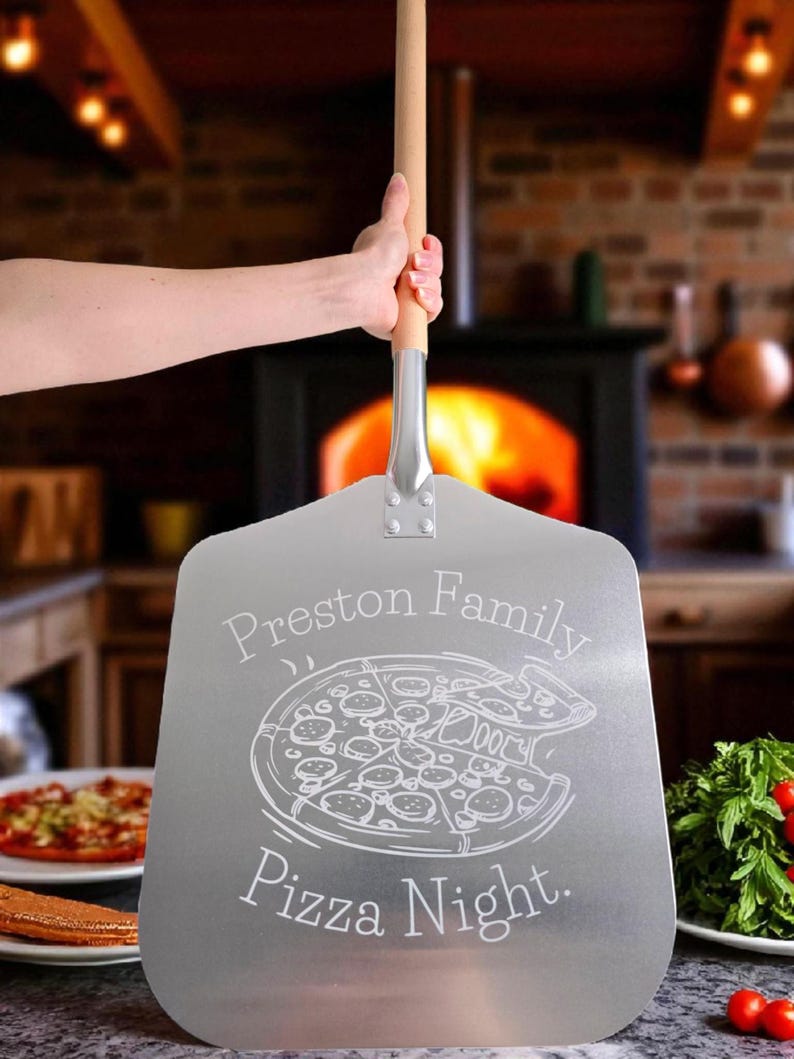
A metal pizza peel is usually aluminum or stainless steel, sometimes with a wooden or rubber handle. The blade can be extremely thin, often close to 1/16 inch at the front edge. That thin lip is the whole point. It slips under a cooked pizza without fighting the crust. When a pepperoni pie weighs 1.3 lbs after cheese, sauce, and oil, the tool needs to slide under cleanly. A thick wooden front edge can shove the pizza backward. Metal glides. Different job.
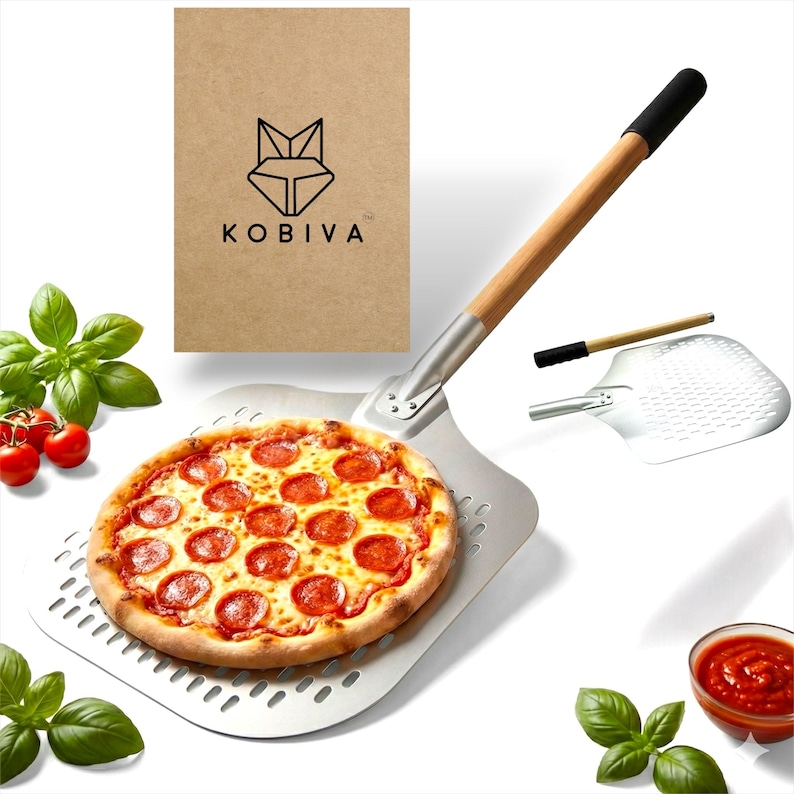
Durability favors metal in busy kitchens. Aluminum will scratch, but scratches do not ruin function. Stainless steel handles high heat better but can feel heavier, especially above 16 inches wide. A 14-inch perforated aluminum peel from Gi.Metal often costs around $85 to $120, while a basic American Metalcraft aluminum peel can sit closer to $31. The premium version is lighter and sheds flour through the holes. Worth it for weekly pizza nights? Maybe. For professional service at 40 pies an evening, yes.
Where Metal Wins on Speed and Cleaning
Metal cleans fast. Hot cheese spill? Scrape it, wash with dish soap, rinse, dry. Done in 90 seconds. That makes it practical among everyday baking accessories, especially when the same kitchen also handles bread, focaccia, and roasted vegetables. In a workshop setting, a metal blade can go from one pizza to the next after a quick wipe with a damp towel and a dry pass. Wood needs more caution because trapped moisture creates swelling and rough patches.
Perforated metal changes the launch game, but not always in a friendly way. Holes release excess flour, which prevents burnt bitter dust on a pizza steel at 700°F. Good. The slick surface also lets dough move faster than expected. Bad if the cook hesitates. Maya tried a 68% hydration dough on a perforated aluminum peel, topped it for 3 minutes 30 seconds, and the center stuck because tomato soaked through. The fix is measurable: top in under 90 seconds, shake twice, launch immediately.
Heat resistance is another clear advantage. Metal can sit near the oven mouth longer without scorching. A wooden edge held too close to a 750°F outdoor oven for 45 seconds can darken or smell smoky. Metal shrugs that off, though the handle may heat up if it is short. For outdoor ovens like Ooni Koda 16 or Gozney Roccbox, a turning peel made of metal is not optional if you bake in 90 seconds. Wood is too wide and slow for quick rotation.
The weakness? Feel. Metal can be cold, slippery, and less pleasant in the hand. Cheap aluminum blades flex under a heavy Sicilian slice or a loaded 14-inch pizza with 6 oz cheese. If the handle joint wiggles after 8 uses, send it back. Honestly, at $40, that is unacceptable. For thicker styles, Detroit-inspired pans, or heavier topped pies, choose a stiffer metal peel with a reinforced neck. Pizza peel durability depends less on shine and more on blade thickness, rivets, and handle stability.
Pizza Peel Comparison by Home Use, Professional Pace, and Dough Style
A useful pizza peel comparison starts with one question: raw dough or cooked pizza? Raw dough behaves like a sticky fabric. Cooked pizza behaves like a firm disk with hot toppings. Wood is usually better for the first job. Metal is usually better for the second. If budget allows only one, choose based on the moment that causes more trouble. Maya’s raw pies stuck twice in one night, so wood solved her bigger problem. A pizzeria pulling 80 pies per service would answer differently.
For home cooks using a standard oven at 500°F to 550°F with a pizza stone, a 14-inch wooden peel is the calmer first purchase. It costs less, feels stable, and reduces panic during launching. Pair it with parchment for the first two attempts if confidence is low, then remove the parchment after 2 minutes once the crust sets. Not classic. Works. Period. At Le Cordon Bleu standards, technique matters, but home dinner at 7:13 p.m. also matters.
Budget, Storage, and Frequency Make the Decision Easier
Budget has a clean pattern. Under $35, wood often gives better value because cheap metal bends and has rough edges. Between $50 and $90, good aluminum becomes interesting, especially perforated models. Above $100, the buyer should be making pizza at least twice a month or owning an outdoor oven. Otherwise, that money may be better spent on a thicker baking steel, like a 3/8-inch NerdChef steel around $119, which changes crust more than a luxury peel does.
Storage sounds minor until a 24-inch handle blocks a cabinet door. For apartments in San Francisco, Oakland, or any kitchen with one narrow pantry, a short-handled peel around 22 inches total length is more realistic than a restaurant model. Outdoor ovens need longer handles, often 36 inches or more, because the heat blast is not cute at 800°F. A removable-handle model can help, but check the screw collar every 5 uses. Loose handles cause ugly launches.
Dough style decides many borderline cases. Neapolitan-style dough around 62% to 65% hydration launches well from wood with semolina. New York-style dough at 60% is also friendly. Very wet dough, above 70%, needs speed and a dry surface, no matter the material. Thick pan pizza does not need launching at all, so metal only helps for serving. For Roman-style al taglio, a rectangular metal lifter is more useful than a round turning peel. Tools should match the pizza, not the fantasy.
The best pizza peel for many serious home cooks is actually a pair: wood for launching, metal for retrieving. If buying one today, choose a 14-inch wood peel for thin raw pizzas and a 14-inch metal peel for heavier baked pies or outdoor ovens. Keep wood dry, oil it lightly every 6 to 8 weeks, and never soak it. Wash metal with soap, dry it immediately, and smooth any sharp nick with 400-grit sandpaper before it tears a crust at the worst possible second.