
Most people do not choose a kitchen knife based on the work they actually do. They buy a big block set, copy a celebrity chef, or fall for a beautiful Damascus pattern and a high price tag. Then the knife feels awkward on onions, crushes herbs instead of slicing them, and starts living at the back of a drawer. Bad choice. The frustrating part is that the mistake often has nothing to do with brand prestige. It usually comes from ignoring a few basic criteria: knife types, blade shape, material, balance, and handle comfort.
Look, a good kitchen knife should make prep calmer, faster, and safer. That matters whether dinner is a 12-minute weeknight pasta or a long Sunday roast with mirepoix, herbs, and a mountain of potatoes. In professional kitchens, the wrong tool costs time. At home, it costs patience. One student in a San Francisco workshop showed up with a $180 knife that looked impressive and felt terrible. After 7 minutes of slicing fennel and tomatoes, the problem was obvious. Too thick behind the edge. Slippery handle. Wrong fit. Choose better, and even modest cutlery can outperform expensive mistakes.
How to choose the right kitchen knife by starting with real kitchen tasks
The chef’s knife is still the workhorse for most cooks. An 8-inch model handles around 90 percent of daily prep in a normal home kitchen: onions, parsley, chicken breasts, apples, cabbage, garlic, shallots. That size is usually the sweet spot. A 10-inch blade can feel powerful on large squash and bulk prep, but many home cooks lose precision with it. A 6-inch version feels nimble, yet it runs short fast when tackling melon, big carrots, or a pile of leeks. If someone cooks four nights a week and wants one main tool, 8 inches is the safest place to start.
A paring knife does the close work a chef’s knife should not do. Peeling apples, hulling strawberries, trimming green beans, coring tomatoes. A blade around 3.5 inches is enough. Anything much smaller can feel toy-like. Anything bigger starts stealing the job of a utility knife. Then comes the bread knife, usually 8 to 10 inches with a serrated edge, useful not just for sourdough but also for soft tomatoes, layer cakes, and delicate citrus when the straight edge is overdue for sharpening.
Some cooks do better with a santoku than a chef’s knife. Fair. Santoku models are often around 7 inches and flatter, so they reward an up-and-down or forward slicing motion rather than the classic rocking cut taught in French kitchens. German-style profiles usually feel heavier and thicker at the heel, which helps with rocking. Japanese-style profiles tend to be thinner and more precise. Neither is automatically better. Preference decides. Try both on potatoes and herbs. If basil bruises into a wet mess, the geometry is wrong or the edge is tired.
Knife sets fool a lot of buyers. Honestly, that 15-piece block often means paying for shapes that almost never touch food. Better to build around three essentials and add only what matches actual habits. A boning knife makes sense for frequent poultry breakdown. A carving knife earns its place for roast lovers. A cleaver? Only if the kitchen sees bones or hard vegetables often enough. Cooking tools should earn their space. Same rule for knives.
Why fit, balance, and ergonomics matter more than hype
A knife can have excellent steel and still feel wrong. That is where ergonomics changes everything. Hold the knife in a pinch grip, with thumb and index finger resting on the blade just in front of the handle. If the knife pulls backward or drops forward, fatigue arrives quickly. The balance point often sits near the bolster on forged Western knives, while lighter stamped or Japanese-style models can feel more neutral or slightly forward. Good? Depends on the hand using it.
Here’s the thing. Buyers often confuse weight with quality. Heavy is not automatically better. Light is not automatically cheap. A Victorinox Fibrox 8-inch chef knife, often around $45 to $55 in 2026, still punches above its price because it cuts cleanly, sharpens easily, and feels secure in wet hands. A Wusthof Classic 8-inch, closer to $170 to $190, gives more heft and a fuller bolster. A Shun Classic 8-inch, often around $180 to $210, feels thinner and more laser-like but needs more respect on hard products. Different users. Different wins.
The handle deserves more attention than buyers give it. Wood looks beautiful, but repeated washing and drying can swell, shrink, and loosen rivets over time. Plastic and composite handles usually last longer with less drama. Metal handles look sleek, but some get slippery fast when the palm sweats. If possible, test the knife before buying. Chop one onion. Slice one potato. Trim parsley. That quick test reveals more than fifty online reviews. A knife should feel connected to the hand, not like a shiny object from a catalog. That one detail saves money.
Once the shape and fit make sense, the next mistake appears. People chase the wrong steel or misunderstand what blade material can and cannot do.
Kitchen knife blade material, sharpness, and construction: what actually matters
Blade material is where marketing gets loud and buyers get lost. Stainless steel remains the easiest choice for most homes because it resists staining, shrugs off minor neglect, and is simple to maintain. Carbon steel holds an edge beautifully and can feel wonderful on the board, but it asks for discipline. Wipe during use. Dry immediately. Skip that routine and rust spots arrive. Ceramic stays sharp for a long time and never rusts, but it chips easily. One twist in a squash or one drop onto tile. Done. For most people, high-carbon stainless steel is the practical sweet spot because it mixes decent edge retention with low-stress maintenance.
Hardness matters too, but not in the way many product pages suggest. Knife hardness is often measured on the Rockwell scale, shown as HRC. Many Western knives sit around HRC 56 to 58. Many Japanese knives land around HRC 60 to 62. Higher numbers can mean longer edge retention, but also more brittleness and a tougher sharpening session. For a home cook, a knife around HRC 58 to 60 is often the most forgiving zone. Hard enough to keep decent sharpness. Not so hard that every mistake punishes the edge.
Then there is construction. Forged knives usually include a bolster and often a full tang, which can add durability and a familiar balance. Stamped knives are cut from sheet steel, lighter, often cheaper, and no longer automatically inferior. That old prejudice needs to go. Plenty of stamped models perform beautifully. The useful question is not forged or stamped in isolation. The useful question is whether the knife cuts cleanly, sharpens well, holds up over time, and feels stable in hand.
Blade thickness and flexibility also matter more than decorative finishes. A thick knife wedges in carrots and potatoes. A very thin edge glides through shallots and herbs but may chip if abused. Flexibility belongs on a boning or fillet knife, not on a chef’s knife meant for general prep. A bread knife needs serration. A chef’s knife usually needs a straight edge. Serrated utility knives can help with tomatoes, but they are annoying to sharpen at home. Good cutlery should match the task, not fight it.
Common buying mistakes that ruin the experience
One mistake shows up constantly. Buyers pay for looks first. Damascus patterns, mirror polish, sculpted handles. Fine, if performance is there. But decorative steel patterns alone do not guarantee a better knife. Another mistake is buying a very hard Japanese blade for rough board work, frozen food, or twisting cuts. That is how tips snap and edges chip. The first time that happened during prep years ago with a thin petty knife on a stubborn butternut squash, the lesson was immediate. Wrong knife. Wrong job. Expensive crack.
Another bad habit is assuming a factory edge tells the whole story. Many knives arrive impressively sharp, then lose that bite fast if the steel or heat treatment is mediocre. Look for a model with a reputation for taking a clean edge again and again. MAC, Misen, Victorinox, Mercer, Wusthof, Henckels, Shun. Those names cover very different budgets, but they matter because replacement edges and long-term use matter more than the first five minutes out of the box.
There is also confusion around “full tang.” Visible tang can be reassuring, yes. Yet some hidden-tang knives hold up for years when the bonding is well done. Better to inspect fit and finish. Rivets should sit flush. No gaps where food and moisture can sit. No rough spine rubbing the fingers raw during a 20-minute prep session. Details like that separate a tool made to work from one made to impress in photos.
A knife that cuts well on day one is only half the story. Storage, cleaning, and edge care decide whether that good purchase still feels right three years later.
Handle comfort, maintenance, and the knife care habits that protect your investment
Handle comfort is not a luxury. It is basic safety. Wood, plastic, composite, and steel all have trade-offs. Wood feels warm and attractive, but it needs hand washing and occasional care. Synthetic handles are usually easier to sanitize and more durable. Composite handles often give the best compromise, with the look of wood and the practicality of modern material. Steel handles can be sanitary and sleek, yet they sometimes shift the balance backward and become slippery. A secure grip matters more than appearance when breaking down a chicken or slicing 2 pounds of onions.
Testing before purchase is ideal. Stores that allow handling are worth the trip, even if it means crossing town. In the Bay Area, serious cooks often compare options in person before clicking buy later. Sensible move. Hold the knife with dry hands, then imagine the same grip with a damp palm during service or dinner prep. If the handle has sharp corners, awkward rivets, or a strange swell at the butt, discomfort will show up fast. Left-handed cooks should be especially alert with asymmetrical handles, including some D-shaped Japanese models.
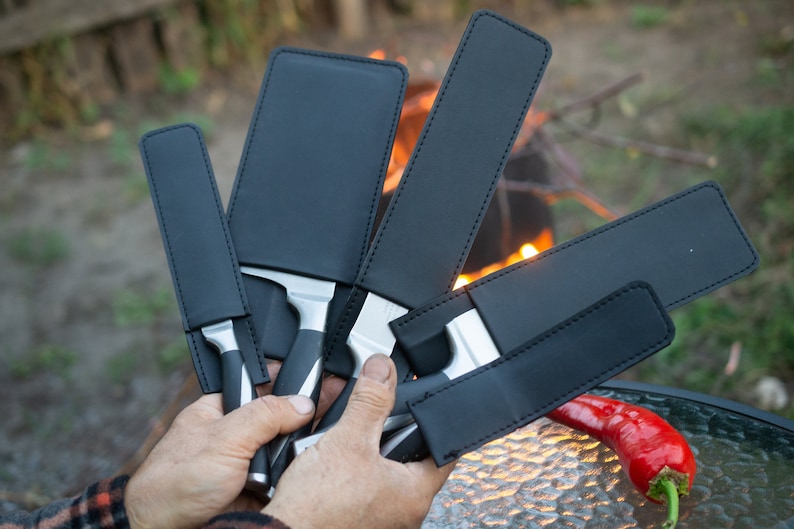
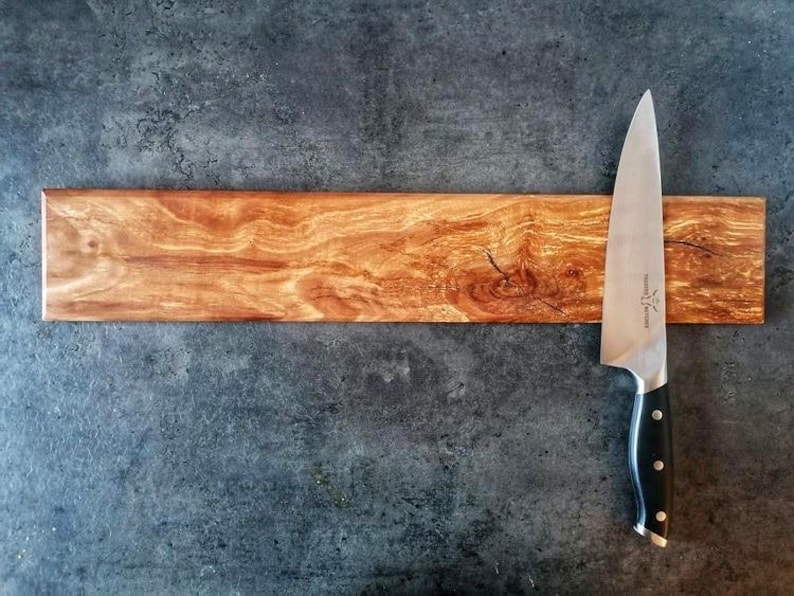
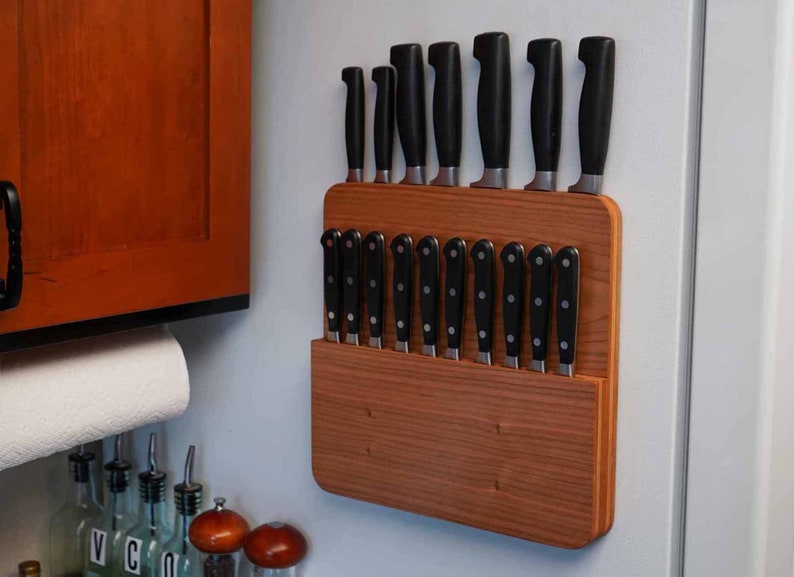
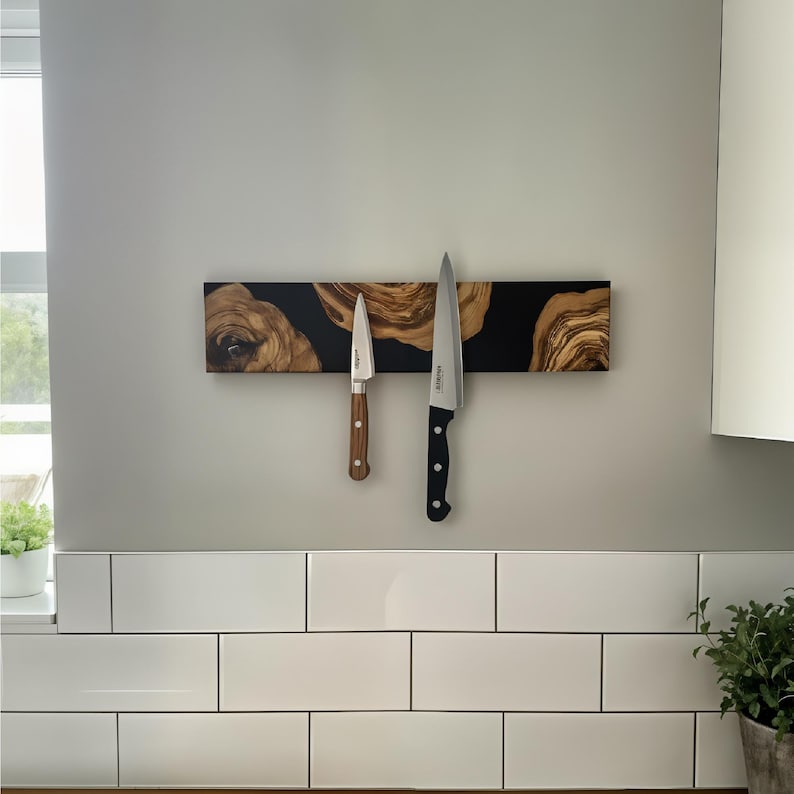
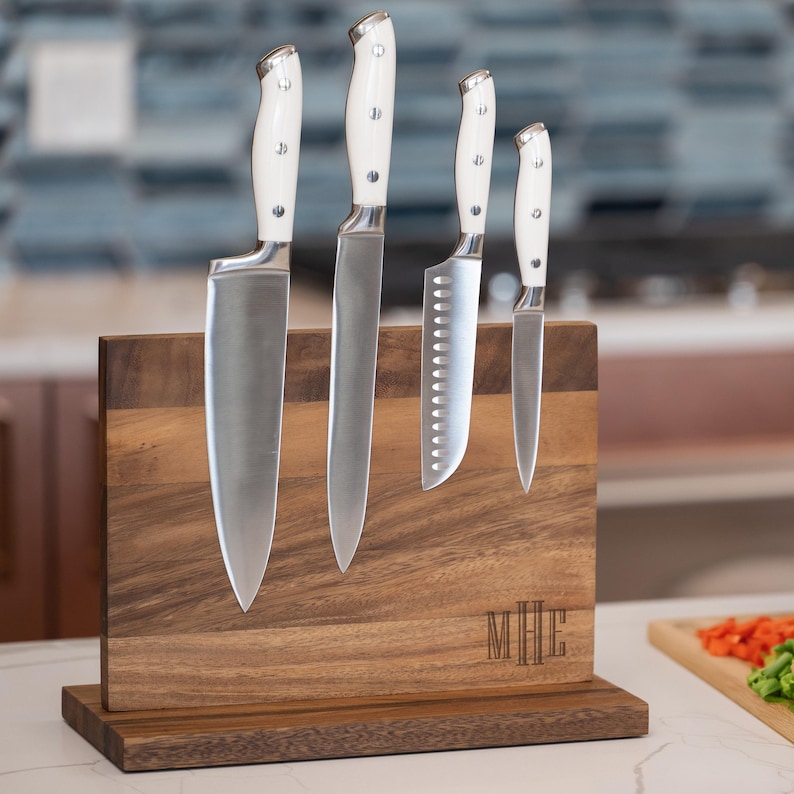
Maintenance is simpler than people think, but the basics are non-negotiable. Wash by hand immediately after use. Dry right away. Never leave good knives loose in a drawer. That destroys the edge and invites a nasty cut when reaching in half-asleep for a peeler. A stable knife block works if counter space allows it. An in-drawer organizer is cleaner in small kitchens. Magnetic wall strips are excellent if mounted safely and away from children. Loose drawer storage? Garbage. Period.
Sharpness should be maintained, not rescued only when the knife becomes miserable. Honing helps realign the edge. It does not replace sharpening. For a regularly used stainless chef’s knife, honing every second or third serious prep session is a good habit, and sharpening two or three times a year is often enough. Ceramic honing rods work well for many home cooks. Cheap pull-through sharpeners can remove too much metal and shorten a knife’s life. A whetstone gives better control, but there is a learning curve. Out of 18 students in one workshop session, 11 pushed the angle too steep on the first try. That happens.
One last warning. Do not buy a knife based only on what somebody else loves. One cook wants a thick German profile for rocking through herbs and mirepoix. Another wants a thinner Japanese gyuto for clean slices of fish and shallots. One person has large hands and likes a 10-inch blade. Another works faster with a 7-inch santoku. Choose for fit, task, maintenance habits, and budget. A $52 knife used daily and cared for properly beats a $240 showpiece hidden in a block. That is how good cooking tools earn their place.


