
Caribbean comfort starts in the spice jar, not with complicated equipment or restaurant tricks. A home cook can get close to island flavor with five reliable ingredients: allspice, nutmeg, cinnamon, thyme, and Scotch bonnet pepper. That is the useful part. No $400 blender required. No mystery seasoning blend with 27 ingredients and a label that tells you nothing.
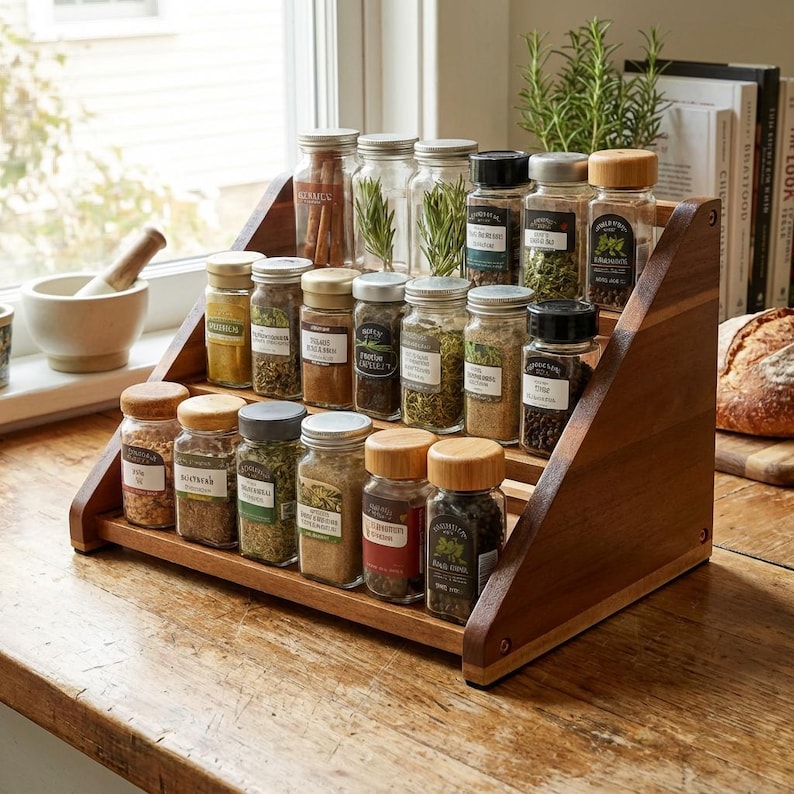
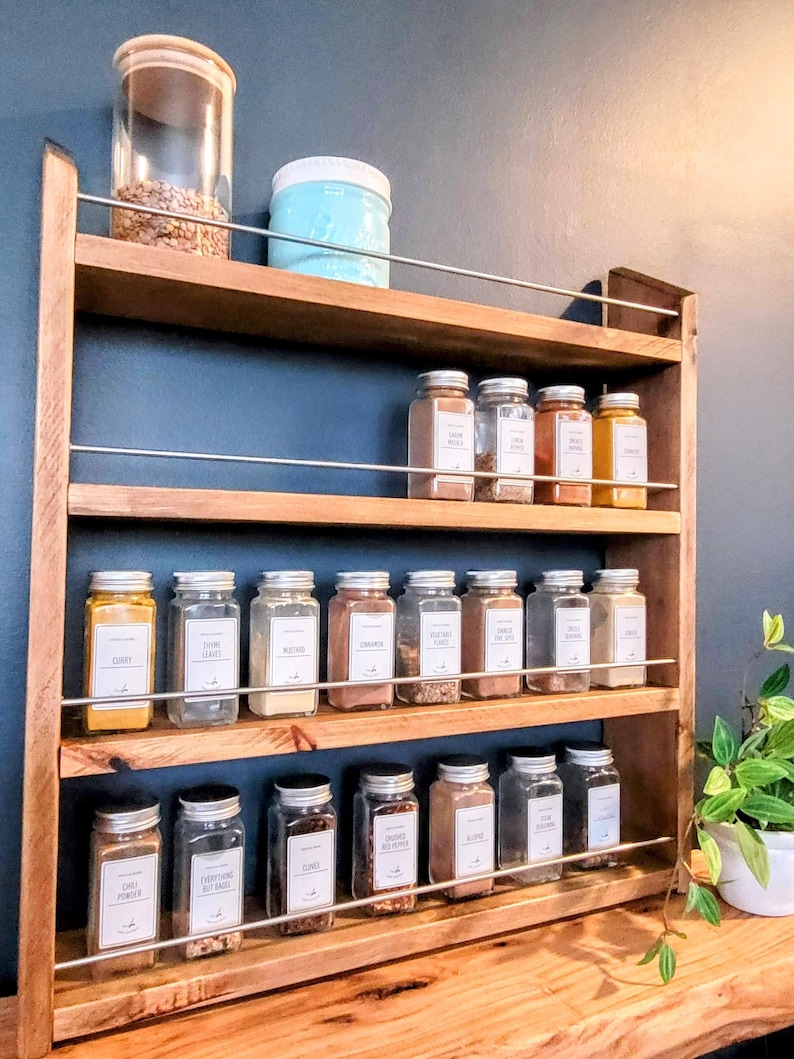
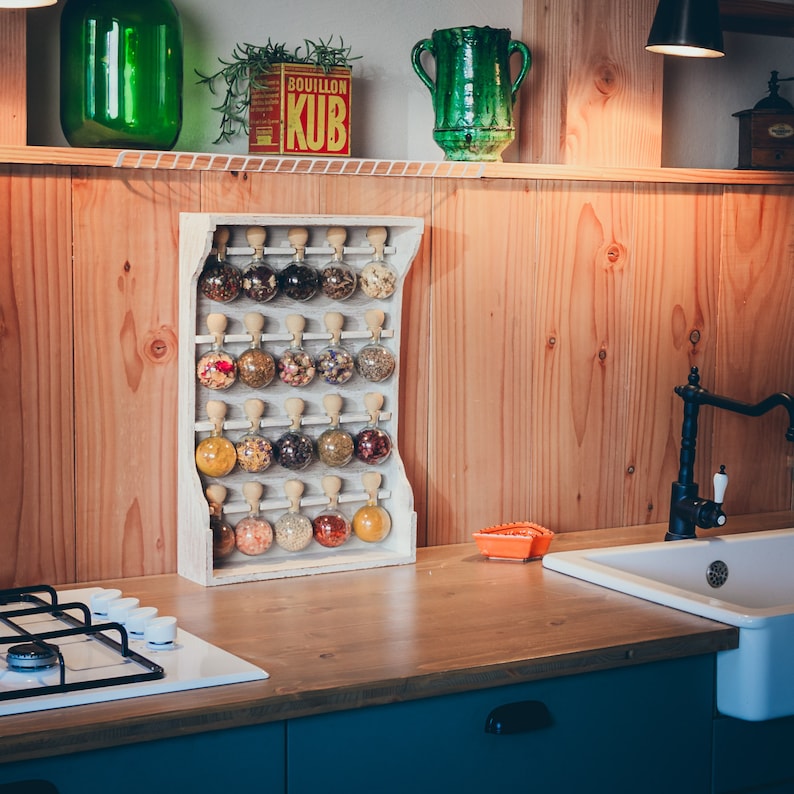
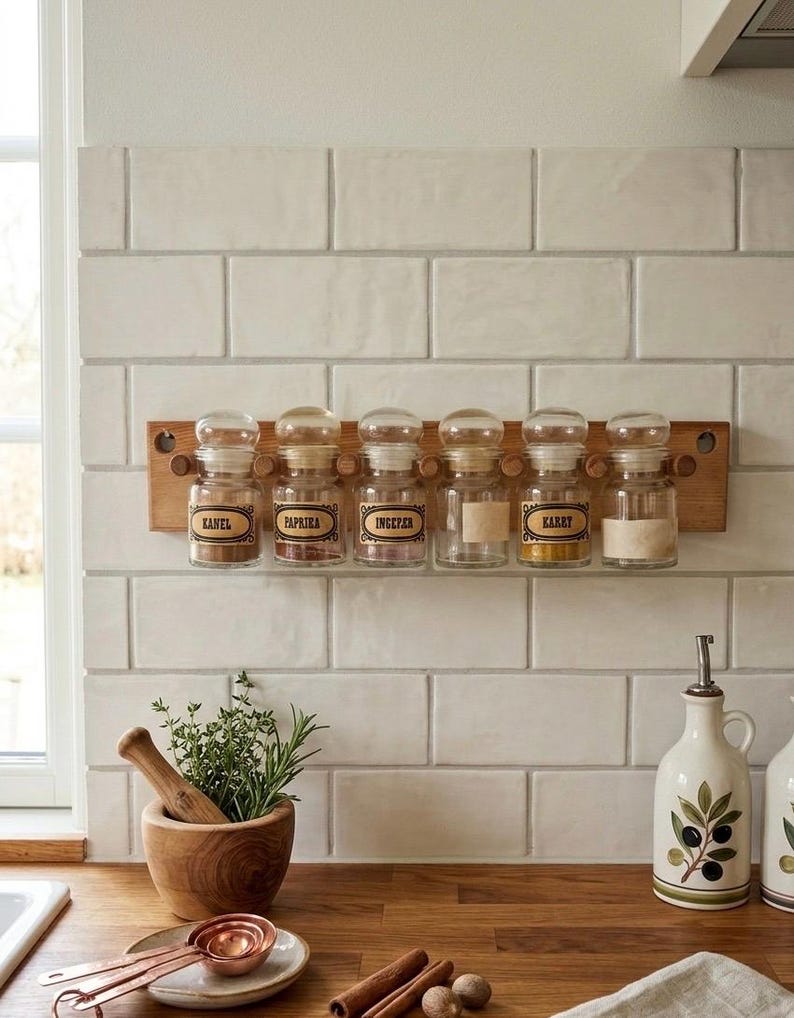
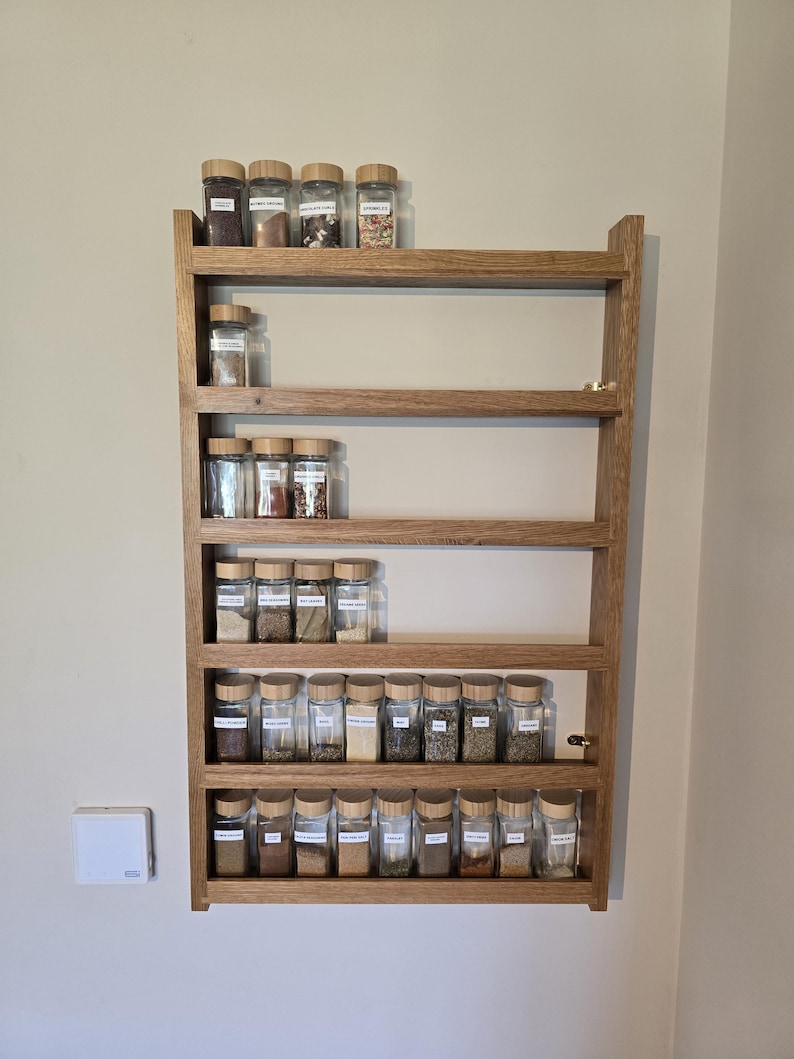
Caribbean cooking carries African, Indigenous, European, Indian, and Chinese influences in one pot, and the seasoning reflects that history. A pot of rice and peas, a pan of brown stew chicken, a tray of jerk wings, or a Saturday curry does not need to be fancy. It needs balance. Heat, warmth, herbal depth, a little sweetness, and enough patience for the seasoning to reach the meat or vegetables. In practical terms, season chicken at least 1 hour before cooking, store ground spices away from heat, and buy whole spices when the recipe allows it. Whole allspice berries and whole nutmeg keep their character much longer than dusty jars sitting above the stove (terrible storage spot, by the way).

Allspice and Nutmeg: The Warm Backbone of Caribbean Comfort Cooking
Allspice, or Pimento, for Jerk Chicken and Rice and Peas
Allspice, called pimento in Jamaica, smells like cinnamon, clove, and nutmeg got packed into one small berry. Taste it straight and it feels warm, peppery, and slightly sweet, with enough bitterness to keep rich meat from becoming flat. Its importance in Jamaica is not decorative. The tree is native to the region, and the berries are central to jerk chicken, brown stew, pepper sauces, and rice and peas. For home cooking, crush 1 teaspoon whole berries in a mortar for a marinade with scallions, garlic, thyme, lime juice, and a little brown sugar. Ground allspice works too, but use 1/2 teaspoon for 2 lb chicken or it starts tasting medicinal. Buy whole berries when possible. At Rainbow Grocery on Folsom Street, bulk spices make sense because 2 oz costs less than most supermarket jars and stays useful for months if kept in a sealed glass jar away from the oven.
Nutmeg for Grenadian Warmth in Drinks, Stews, and Sweet Bakes
Nutmeg brings a round, sweet, woody aroma that lands softly at first, then lingers. Grenada is strongly tied to this spice, so much that nutmeg appears on the national flag, and that matters because Caribbean food is not only about heat. It is also about warmth. Grate a small amount into rum punch, sweet potato pudding, banana bread, or a slow beef stew. For a home kitchen, the rule is simple: buy whole nutmeg and use a Microplane. Pre-ground nutmeg loses strength fast. Tested side by side in workshops, a freshly grated 1/8 teaspoon had more aroma than 1/2 teaspoon from an old jar. Too much? Bitter. Keep it tight and measured. One whole nutmeg lasts a long time, usually under $4 at Whole Foods or Bi-Rite Market on 18th Street, and it makes weeknight oatmeal taste intentional without turning breakfast into dessert.
Listen, warm spices are where many home cooks overdo it. More is not better. For a 9-by-13-inch tray of baked chicken, 1 teaspoon allspice and 1/4 teaspoon fresh nutmeg are already enough when garlic, lime, thyme, and pepper are involved.
The next two spices work differently. They do not shout. They hold the pot together.
Cinnamon and Thyme: Everyday Caribbean Spices That Keep Dishes Balanced
Cinnamon for Stewed Meat, Sorrel, and Holiday Pots
Cinnamon in Caribbean cooking is not only for cookies. It smells sweet, yes, but good cinnamon also has a dry, woody edge that works beautifully with braised meat and festive drinks. Through trade and colonial routes, cinnamon became part of island kitchens, especially in drinks like sorrel and in slow-cooked dishes where cloves, ginger, and citrus are nearby. At home, add 1 small cinnamon stick to a pot of oxtail, brown stew chicken, or red bean stew during simmering, then remove it after 35 to 45 minutes. Leaving it for 2 hours can make the sauce taste like furniture polish. Been seen. Not pretty. Buy sticks rather than powder for savory cooking because they are easier to control. For drinks, simmer 1 stick with hibiscus, orange peel, and ginger for 12 minutes, then sweeten after straining so the sugar does not flatten the spice.
Thyme for Rice and Peas, Curry, Soup, and Brown Stew
Thyme is the quiet worker in Caribbean kitchens. The scent is earthy, slightly minty, and sharp enough to cut through coconut milk, gravy, and pepper heat. It shows up in Jamaican rice and peas, Haitian sòs pwa, Trinidadian curry, fish broth, and Sunday stews because it links strong flavors without making them heavy. Fresh thyme is best when the stems are still green and flexible. Use 4 to 6 sprigs for a pot serving 4 people, and fish out the woody stems before serving. Dried thyme works when fresh is tired or overpriced. Use 1 teaspoon dried instead of 1 tablespoon fresh leaves. Store dried thyme in a dark cabinet, not beside the burner. Heat kills aroma. A jar opened in March should still smell alive in September. If it smells like cardboard, move along.
A practical test helps. Rub dried thyme between two fingers. If the scent jumps up immediately, use it. If it needs imagination, replace it. Trader Joe’s jars are cheap, but turnover varies. Bulk thyme from Berkeley Bowl or Rainbow Grocery often smells stronger because people buy through it faster.
For a quick Caribbean-style weeknight pot, cook 1 cup long-grain rice with 1 cup coconut milk, 3/4 cup water, 2 thyme sprigs, scallions, and 1/2 teaspoon kosher salt. Add drained kidney beans near the end. Not perfect island cooking. Still useful on a Tuesday.
Scotch Bonnet Heat: How to Use Caribbean Pepper Without Ruining Dinner
Scotch Bonnet or Habanero for Pepper Sauce, Jerk Marinade, and Stews
Scotch bonnet pepper is small, fruity, floral, and serious. The heat hits hard, but the flavor is not just fire. It has a tropical sweetness that makes jerk marinade, pepper sauce, curry goat, fish stew, and callaloo taste alive. Scotch bonnet is deeply associated with Jamaican and broader Caribbean cooking, though habanero can work when Scotch bonnet is hard to find in California. Look for firm peppers with glossy skin and no soft spots. Use gloves if chopping more than one. For a family stew, keep the pepper whole, pierce it once with a knife, simmer for 15 to 20 minutes, then remove it before it bursts. That gives fragrance without punishing everyone at the table. For jerk chicken, blend 1 pepper with allspice, thyme, scallions, garlic, lime juice, soy sauce, and brown sugar for 2 lb chicken. Want more heat? Add half a pepper next time, not during the meal.
Here’s the thing. Many home cooks confuse Caribbean heat with pain. Bad idea. A good pepper sauce has acid, salt, and fruitiness, not just aggression. Try blending 2 Scotch bonnets, 1/2 cup white vinegar, 1 carrot, 2 garlic cloves, 1 teaspoon kosher salt, and 1 teaspoon brown sugar. Simmer it for 6 minutes, cool it, then refrigerate. It keeps about 3 weeks in a clean glass jar. Use 1 teaspoon in soup, not 3 tablespoons unless the goal is regret.
Buying hot peppers in San Francisco can be inconsistent. Whole Foods often has habaneros, while Caribbean markets across Oakland carry Scotch bonnets more reliably. When only habanero is available, the substitution works for marinades and sauces, but the aroma is a touch sharper. Frozen Scotch bonnets are acceptable for cooked dishes. Not for fresh salsa. Texture suffers.
The five-spice pantry works best when used with restraint and timing: allspice early in marinades, nutmeg freshly grated at the end, cinnamon removed before it dominates, thyme simmered with the pot, and Scotch bonnet controlled before it takes over. For 2 lb chicken, start with 1 teaspoon allspice, 4 thyme sprigs, 1 Scotch bonnet, 2 tablespoons lime juice, and 1 tablespoon brown sugar. Rest it 1 hour minimum. Overnight is better.


